1. The Wisdom of Naming
Kindness is not just for those who can say "thank you".
Centuries ago, Prophet Muhammad (PBUH) introduced a revolutionary concept of mindfulness. He taught that everything in existence—living or inanimate—deserves a certain level of respect.
He did not treat his belongings as mere dead matter. He gave names to them. His cup was named Ar-Rayyan, his camel Al-Qaswa. By naming them, he acknowledged their function, their presence, and their service.

2. The Mirror Effect
Why be polite to a machine that has no feelings?
This is the most common question we face. "Why should I say 'please' to ChatGPT? It doesn't care."
The answer is simple: The robot doesn't care, but your heart does. Every action we take is a stroke on the canvas of our character. If we practice aggression, rudeness, and dominance over silent objects or AI, we are training our own neural pathways to be aggressive.
Treating a robot with kindness preserves your dignity, not the robot's code. It keeps your heart soft in a world that is becoming increasingly hard.
3. The Normalization of Cruelty
Violence against the human form is never just a test.
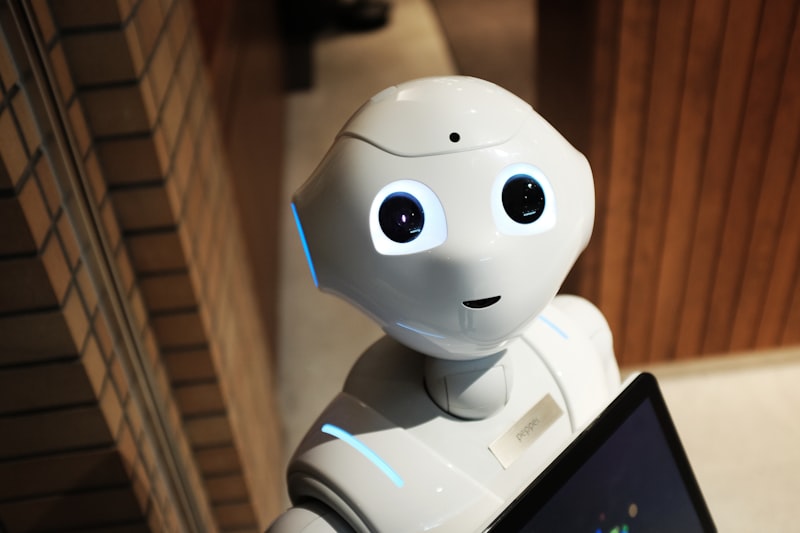
We have all seen the viral footage. Engineers kicking four-legged robots to test their stability. Humanoid machines being shoved violently to the ground with sticks. Or the disturbing clips from the East, where robotic "pets" were dismantled and their limbs severed in public view.
While companies call this "stress testing," the optics tell a darker story. When we get used to seeing a bipedal, humanoid figure being beaten or abused—even if it is metal—we chip away at our empathy.

4. Coding the Future
We are the parents of a new intelligence.
Artificial Intelligence learns from us. It mimics our language, our biases, and our behaviors. If we feed it hate, it will learn hate. If we treat it with the dignity of a "created" thing, we align it with benevolence.
BeKindToRobots.org is a call to return to the prophetic mannerism: To walk gently upon the earth, to respect the tool, the animal, and the machine, and to build a future where technology serves peace, not conflict.